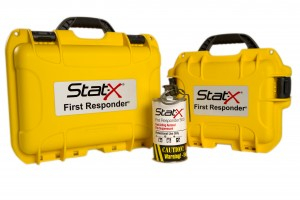
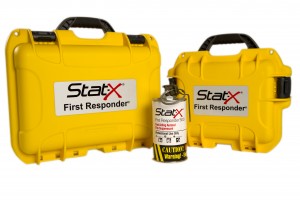
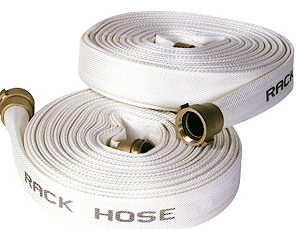
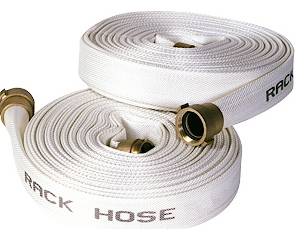
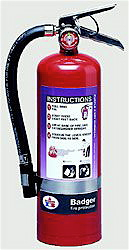
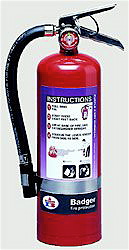
The Stat-X First Responder is an innovative, portable unit for use by fire fighters and emergency responders in emergency egress or entrance situations.
Ideal for commercial fire alarm applications, providing a wireless communication link between the fire alarm panel and central station receiver. Housed in a full-sized, red, locked steel cabinet and supports a range of alarm panel inputs, including EOL fire, EOL supervised, and direct voltage from the panel (non-fire applications).
It automatically senses phone line cuts, antenna cuts and monitors battery and AC power status. Advanced status reporting, self diagnostics and the built in power supply make the AES 7744F/7788F the first choice for all wireless monitoring needs.
Web-Based code compliant inspection reports archived on-line for 5 years. Customers have complete access to view their inspections or download.
Each exit route must be adequately lighted so that an employee with normal vision can see along the exit route. 1910.37(b)(1)
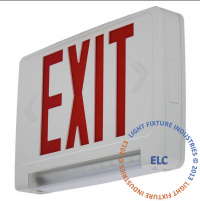
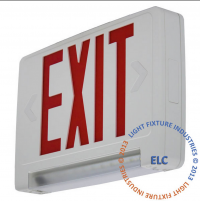
Each exit must be clearly visible and marked by a sign reading “Exit.” 1910.37(b)(2)
Each exit route door must be free of decorations or signs that obscure the visibility of the exit route door. 1910.37(b)(3)
If the direction of travel to the exit or exit discharge is not immediately apparent, signs must be posted along the exit access indicating the direction of travel to the nearest exit and exit discharge. Additionally, the line-of-sight to an exit sign must clearly be visible at all times. 1910.37(b)(4)
Each doorway or passage along an exit access that could be mistaken for an exit (such as a closet) must be marked “Not an Exit” or similar designation, or be identified by a sign indicating its actual use. 1910.37(b)(5)
Each exit sign must be illuminated to a surface value of at least five foot-candles (54 lux) by a reliable light source and be distinctive in color. Self-luminous or electroluminescent signs that have a minimum luminance surface value of at least .06 footlamberts (0.21 cd/m2) are permitted. 1910.37(b)(6)
Each exit sign must have the word “Exit” in plainly legible letters not less than six inches (15.2 cm) high, with the principal strokes of the letters in the word “Exit” not less than three-fourths of an inch (1.9 cm) wide. 1910.37(b)(7)